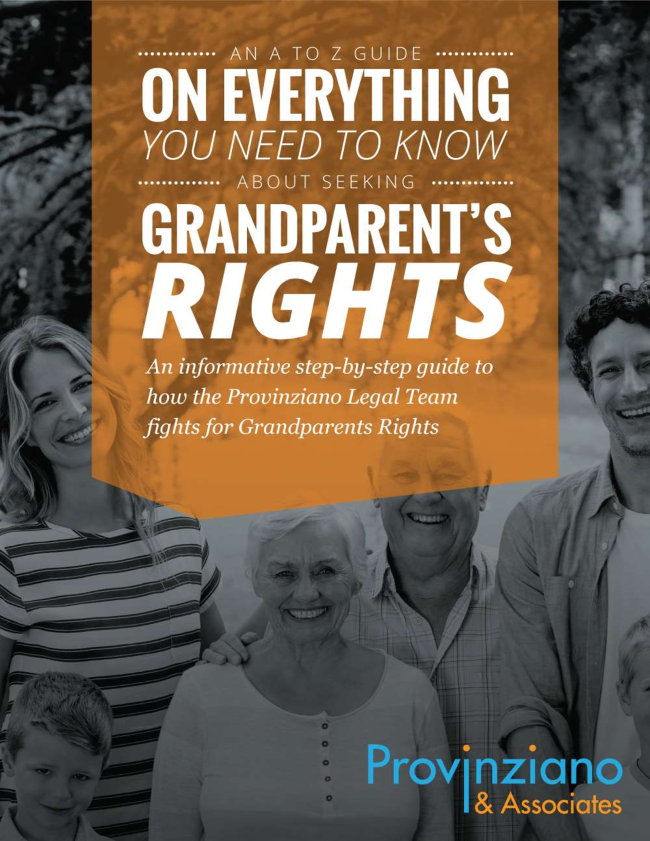

Grandparents Rights: Visitation and Custody






If you are a grandparent looking to maintain a connection to you grandchildren through custody or visitation rights, please call us at 310-820-3500 to get started.
Understanding Grandparents Rights in Los Angeles
Los Angeles recognizes the significance of maintaining strong bonds between grandparents and their grandchildren. In order to protect this relationship, grandparents have the right to seek court intervention, as established by the U.S. Supreme Court in Troxel v. Granville. Having a solid understanding of grandparents’ rights in Los Angeles is crucial, as it can help navigate the legal complexities involved. Consulting with a family attorney who specializes in this area can provide valuable guidance throughout the process.
By being well-informed about grandparent visitation rights, custody of a grandchild, and the legal steps involved, grandparents can better protect their interests. It is essential to consider the best interests of the child, abide by the family code section, and understand the factors that courts take into account when making decisions regarding visitation and custody. Seeking legal help in such cases ensures that the rights of both the grandparents and the children are appropriately represented.
The Importance of Grandparents Rights in Family Law
Grandparents play a crucial role in the emotional and social development of their grandchildren. Recognizing their rights promotes stability and continuity in children’s lives, acknowledging the value of maintaining family bonds beyond nuclear families. Protecting grandparents’ rights is vital as it supports the best interests of the child and helps preserve family connections. Understanding these rights provides a support system for children, ensuring they have access to their grandparents’ love and guidance. In family law, the importance of grandparents’ rights cannot be overstated as it promotes the overall well-being and happiness of the entire family.
Differentiating Between Grandparents Visitation and Custody Rights
Grandparents’ visitation rights are designed to allow them regular time with their grandchildren, focusing on maintaining a strong relationship. On the other hand, custody rights, also known as child custody, entail legal authority and responsibility for making decisions and caring for a child. While visitation rights prioritize maintaining bonds, custody rights involve more significant responsibilities and decision-making power.
When determining these rights, courts consider the child’s well being as the primary factor. Understanding this distinction is crucial for grandparents navigating the legal process effectively. It ensures they can advocate for their grandchild’s best interests while also recognizing the different roles and responsibilities involved.
How to Successfully Petition for Grandparent Visitation Rights
When petitioning for visitation rights as a grandparent, it is crucial to consult with a family attorney who is familiar with grandparents’ rights. This legal professional can provide the guidance necessary to navigate the complexities of the process, including filing an affidavit. Additionally, gathering evidence and documentation that supports the bond between you and your grandchild is essential. This can include photographs, letters, or any other tangible proof of your relationship.
Another key component of a successful petition is demonstrating that visitation is in the best interests of the child. By emphasizing the positive impact your presence can have on their emotional well-being and development, you strengthen your case. Following the correct legal procedures and filing the necessary paperwork is also essential. This ensures that your petition is properly submitted and considered by the court. Lastly, highlighting the potential harm of denying visitation to your grandchild’s emotional well-being can further strengthen your petition. By establishing that the child would suffer emotionally without regular contact with you, the court may be more inclined to grant you visitation rights.
When Does a Grandparent Seek Guardianship of a Grandchild?
Grandparents may seek guardianship of a grandchild when the child’s parents are unable or unfit to care for them. Circumstances such as parental substance abuse, neglect, or incarceration may warrant seeking guardianship. Guardianship allows grandparents to make legal decisions and provide a stable home for their grandchild.
To seek guardianship, grandparents must demonstrate that it is in the child’s best interests and that the parents are unable to provide adequate care. Consultation with a family attorney can provide guidance on the requirements and process of seeking guardianship.
Factors Considered by Courts in Awarding Grandparents Visitation and Custody
When courts make decisions regarding grandparents’ visitation and custody rights, they prioritize the best interests of the child. Various factors come into play during this evaluation. The court takes into account the grandparent-child relationship, considering its strength and significance. Additionally, the emotional needs of the child are carefully considered, ensuring their overall well-being.
The parents’ wishes are also taken into account, along with the grandparents’ ability to provide a stable and supportive environment for the child. Factors such as age, health, and general welfare play crucial roles in determining visitation and custody arrangements, with the ultimate goal of serving the best interest of the child. By understanding these factors, grandparents can present a compelling case for their rights.
What are the Legal Steps for Grandparents to Obtain Custody?
Consulting with a family attorney specializing in custody cases is a crucial step for grandparents seeking custody of their grandchild. A petition must be filed with the appropriate court, and evidence that demonstrates it is in the child’s best interests to be in the grandparents’ custody is essential. The court may require a home study to assess the grandparents’ ability to provide a safe and stable environment. Additionally, the court may consider other close family members as potential guardians for the child, such as aunts, uncles, or other family members. Following court procedures and attending hearings is necessary for obtaining custody of a grandchild.
How Provinziano & Associates can help you in your Grandparents Visitation or Custody case?
With years of experience, Provinziano & Associates is a highly regarded family law firm in Los Angeles. Our team of dedicated attorneys specializes in handling complex custody and visitation cases, prioritizing the child’s best interests. We offer personalized guidance and support throughout the entire process. Advocating for our clients’ rights, we strive to ensure a favorable outcome that prioritizes the child’s well-being. Contact us today for a free consultation to discuss your case and explore your legal options regarding custody or visitation.
Frequently Asked Questions
When Can Grandparents Petition the Court for Visitation Rights in California?
What is a custodial grandparent?
What If One the Child's Parents Died?
Get Started with a Free Case Evaluation
Taking action with the right team by your side is critical to the success of your case. Get started with your free Case Evaluation.
Call us at (310) 820-3500

As Seen In